
Trivium and Quadrivium
Stages of Learning- The Trivium
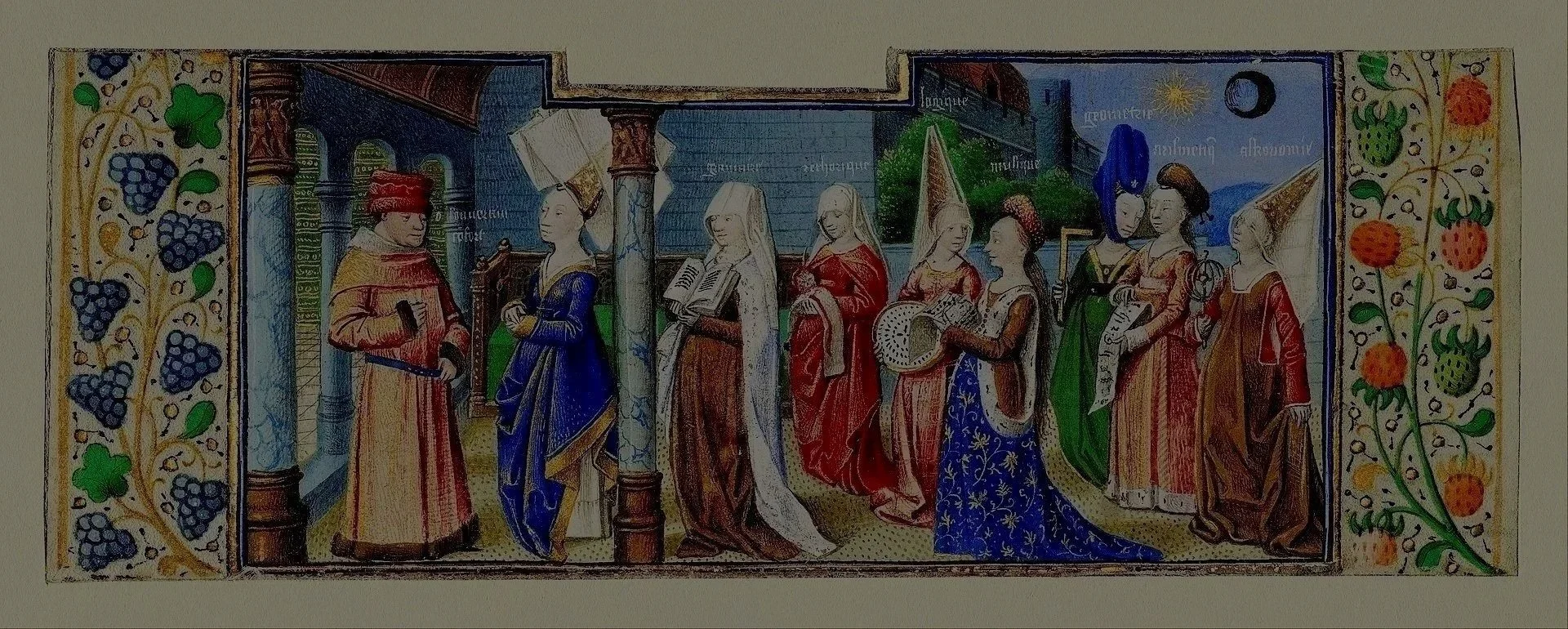
The seven liberal arts of classical education — the artes liberales, so named because they cultivate true freedom (libertas) — are made up of the Trivium and Quadrivium together. The Trivium, or "three ways," shapes language and thought through Grammar (the mechanics of language), Logic or Dialectic (the mechanics of reasoning), and Rhetoric (the art of persuasive, eloquent expression). Following Dorothy Sayers' tradition, St. Monica maps these three stages of the Trivium onto Elementary, Middle, and High School.
-
School of Grammar
Grades PreK-5
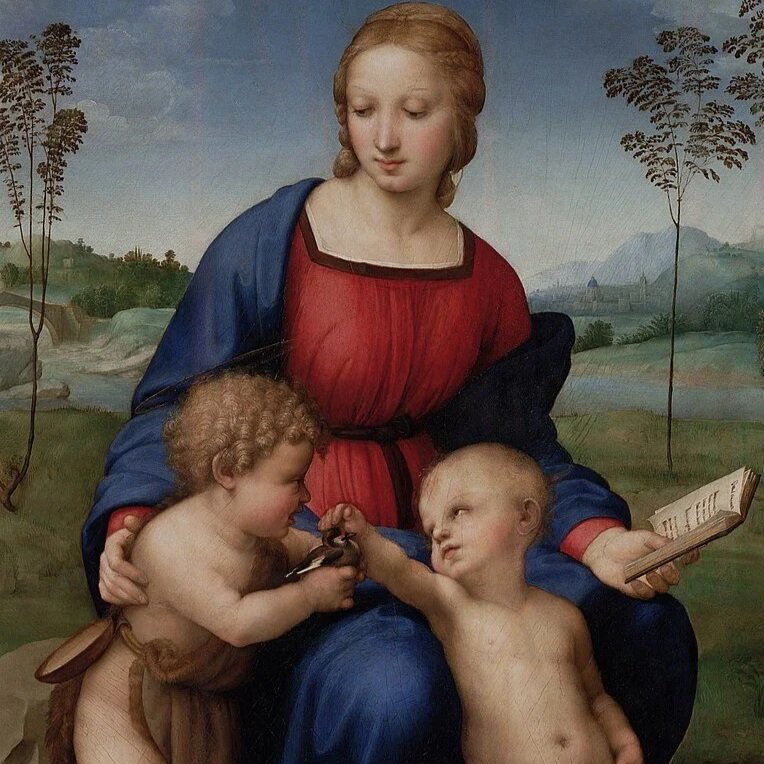
Students in the grammar stage of learning are naturally inquisitive and curious, able to absorb large amounts of information and memorize easily. This stage forms the bedrock of future learning. The focus is on process and the ability to learn deeply through their senses to develop fine motor skills, observation skills, memorization skills, and the ability to organize and categorize information that will later serve as background knowledge in the following stages of development.
Teachers utilize Socratic and mimetic lessons that lend themselves to engaged intrinsic learning, harnessing the power of discovery-based learning, narration of passages, imitation in writing and speaking, and training in how to observe. A clear focus on the power of handwriting allows the child to develop the necessary fine motor skills but also develops the areas of the brain that will in the future allow for deeper comprehension and understanding of language.
Mathematics, starting with basic arithmetic, builds number sense and sets a foundation for geometry, algebra, and higher math. The sciences build an understanding of the natural world in all its forms.
-
School of Logic
Grades 6-8 (Future)
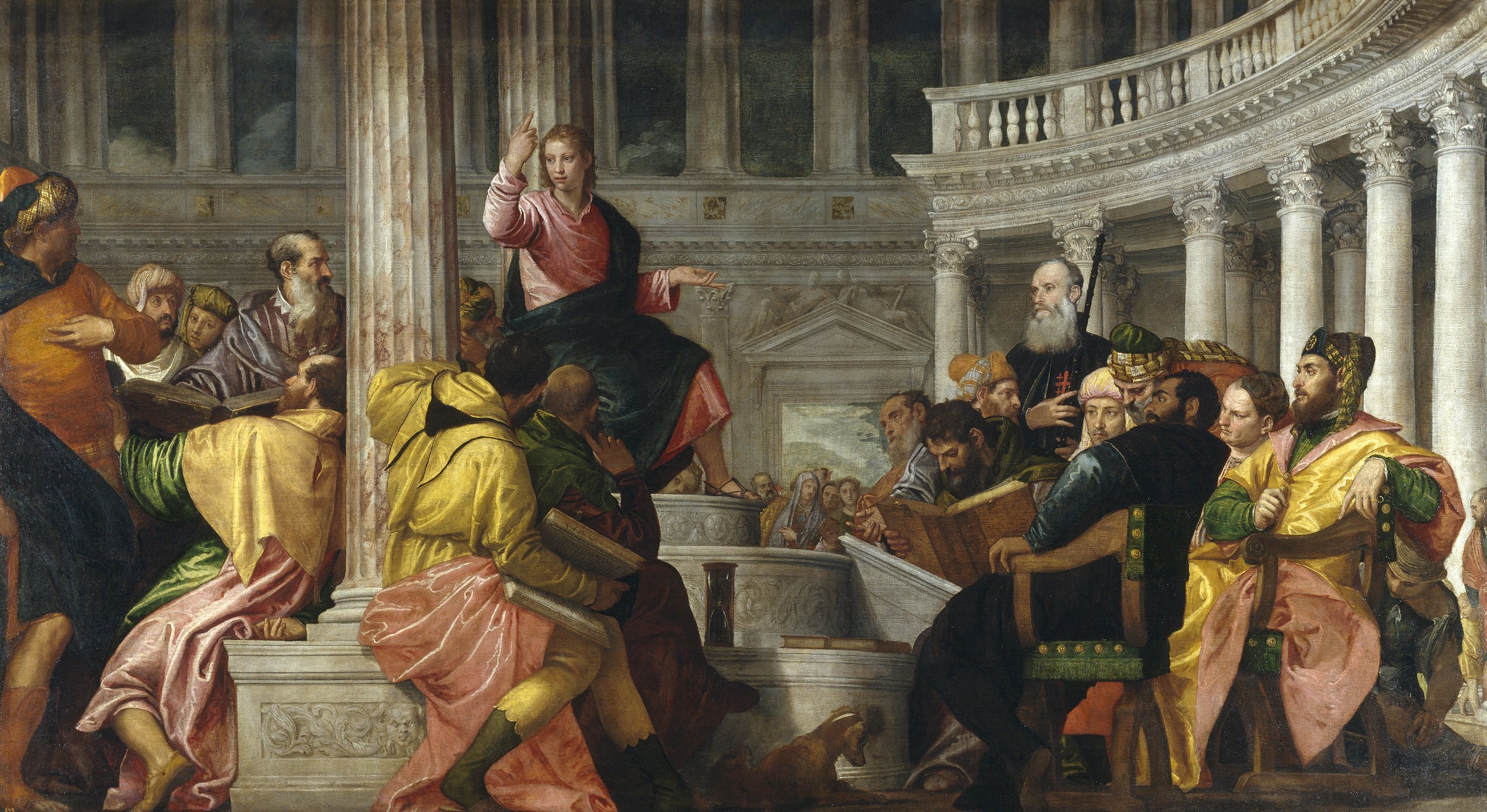
Middle school students are firmly in the Logic stage of learning. Instead of denying students' normal argumentative nature, it is harnessed to engage them. By teaching solid logical reasoning students develop discipline of opinion and right judgement by learning to look through a variety of lenses at situations that occur in their studies as well as within their daily lives. Students also master the difficult skill of making connections between content and recognizing cause and effect. This is also where students master the art of writing using solid reasoning and basic rhetorical skills. Students are exposed to rich texts in all subject areas and through Socratic seminars, study, experimentation, and direction from instructors will learn to thoughtfully consider why things are the way they are. Morality begins to be developed in a more intrinsic manner with greater understanding of consequence to actions. Reading for understanding and writing in response are two crucial skills that affect each subject learned at this level.
The Church's rich intellectual tradition further enhances the curriculum when powerful and thoughtful literature, poetry, music, and art handed down over the last 2000 years is included.
Specific curriculum resources will be chosen when the middle school is opened in future years.
-
School of Rhetoric
Grades 9-12 (Future)
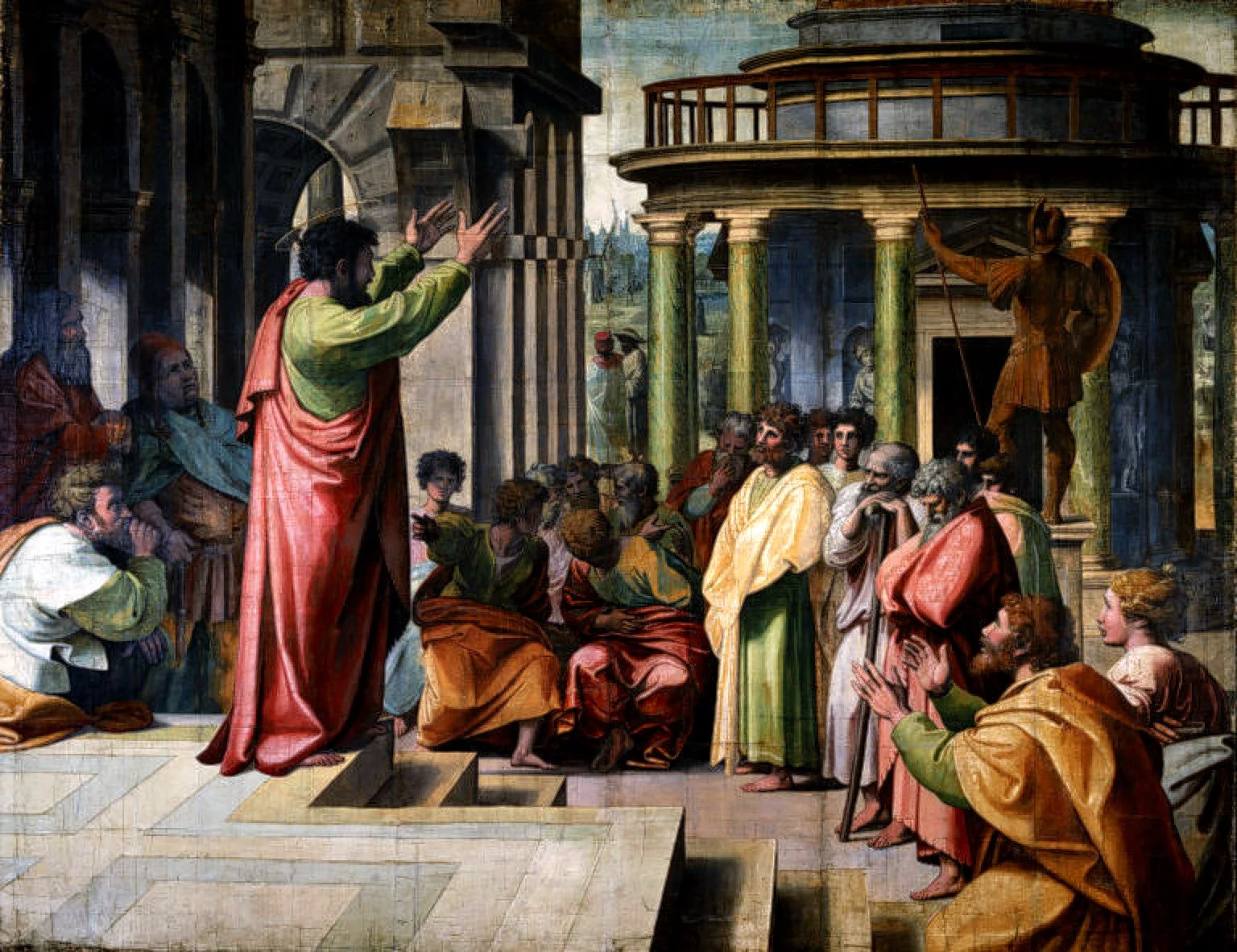
Students will move from the logic stage to the rhetoric stage of development where what they know and have learned is to be shared with others in a meaningful way. Students apply the knowledge and logic skills acquired in earlier stages to solve complex problems, become self-aware, and express what they think using Aristotle’s, St. Augustine, and St. Thomas Aquinas’ modes and canons of rhetoric. Graduates of St Monica Catholic School will be able to express their viewpoints effectively in writing, oratory, and thoughtful group discussions and have a solid education in the academic disciplines that will both allow them to further their education and later be effective role models in society, able to navigate life as Catholic individuals working for love of God and neighbor.
As the school grows one grade level at a time, the high school curriculum will be further developed in detail in keeping with the mission and purpose of the school.
St. Monica Catholic Academy will meet or exceed the Archdiocese of Oklahoma City Curriculum Standards and Benchmarks by utilizing a classical Catholic liberal arts pedagogical approach strong in the Catholic Intellectual Tradition.
Quadrivium: The Art of Number
Study of the Applied Sciences and Manual Arts
Mathematics, Music, Art, Physical Science
The Quadrivium, a fundamental part of the curriculum, consists of four areas of study in a liberal arts education that intersect providing students with a comprehensive understanding of the mathematical and scientific principles underlying the universe.
The four areas consist of:
Arithmetic - Study of Number (Number sense, algorithms, patterns)
Geometry- Study of Number Extended in Space (Stationary)
Astronomy- Study of Number Extended in Space and Time (moving)
Music- Number Extended in Time (applied).
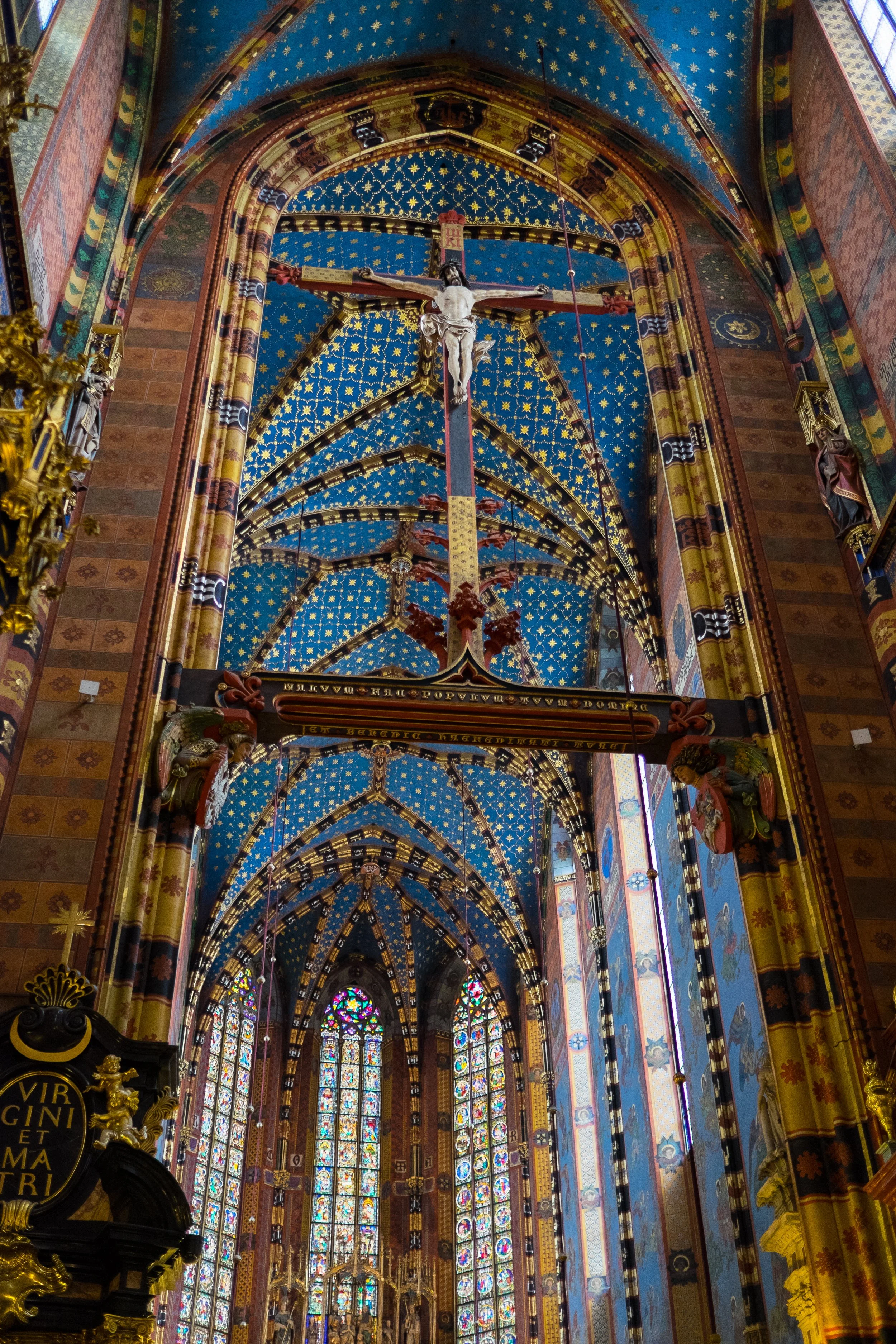
The Quadrivium's emphasis on harmony, proportion, and mathematical principles can be seen in the design of medieval cathedrals, the composition of Renaissance art, and the development of modern scientific thought.
The Quadrivium as a formal educational framework, its principles and ideas continue to form the bedrock of modern education and culture. The emphasis on STEM subjects (Science, Technology, Engineering, and Mathematics) in modern education reflects the Quadrivium's focus on mathematical and scientific literacy.
While there have been changes in terminology over the centuries, all of the mathematically rooted subjects covered today fall into these categories in some way. Through this deep and integrated study of the ordered, natural world around us, we can find God.